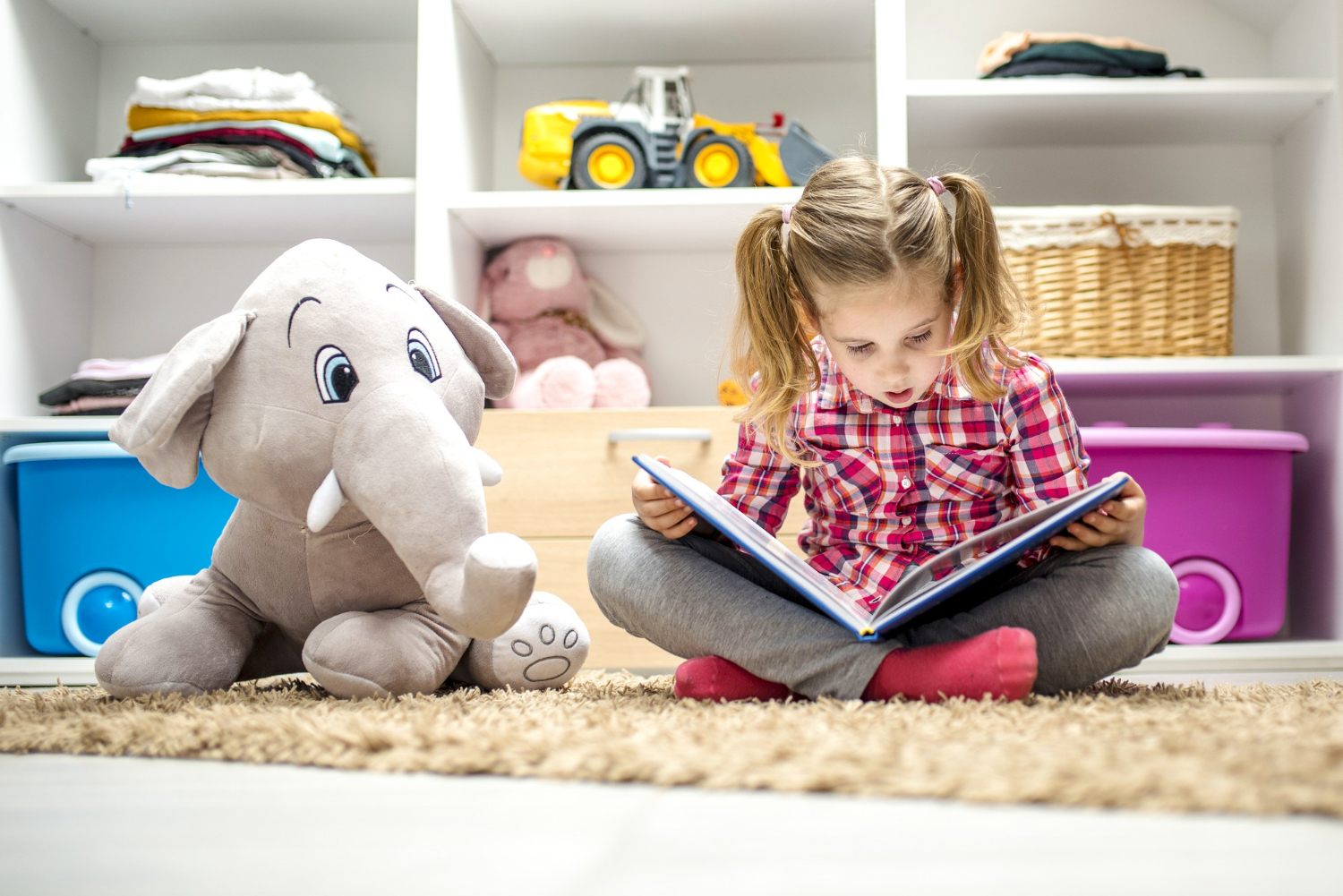
As parents, one of the most important things we can do for our children is to help them develop healthy habits early on. Habits formed in childhood often last a lifetime, shaping their physical, mental, and emotional well-being. Encouraging healthy habits can also set the foundation for a positive relationship with health, making it easier for them to adopt healthy routines as they grow older.
But how do we guide our children to develop these habits? It’s all about leading by example, creating a supportive environment, and making healthy choices fun and accessible. In this blog, we’ll explore practical and effective strategies for helping your kids develop healthy habits from a young age.
- Be a Role Model
Children learn more from what they observe than what they’re told. If you want your kids to adopt healthy habits, it’s essential to lead by example. Your behavior, choices, and routines will shape their understanding of what it means to live healthily.
- Healthy Eating: If you want your children to eat nutritious foods, make sure you’re eating them too. Choose whole, unprocessed foods like fruits, vegetables, whole grains, and lean proteins. Show your kids that healthy food can be delicious by preparing simple and colorful meals together.
- Active Lifestyle: Make physical activity a regular part of your daily routine. Whether it’s going for a walk, riding bikes, or playing sports together, show your kids that staying active is enjoyable and a regular part of life. Children are more likely to embrace movement if they see it as a fun and natural part of their day.
- Mental Health Practices: Demonstrate mindfulness and emotional well-being by managing your own stress in healthy ways. Practice relaxation techniques such as deep breathing, meditation, or taking time to relax. Discuss emotions openly with your kids, encouraging them to express how they feel in a safe and supportive environment.
When you model these behaviors, your kids will begin to see them as the norm and will be more likely to incorporate them into their own lives.
- Establish a Consistent Routine
Children thrive on routine and structure. By creating a daily routine that incorporates healthy habits, you help your children understand the importance of consistency in their habits. Routine doesn’t just provide stability; it also helps your kids internalize the behaviors you want them to develop.
- Healthy Meals at Regular Times: Try to have meals at roughly the same times each day. This helps kids understand when to expect healthy food and can prevent overeating or unhealthy snacking. Encourage balanced meals that include a variety of food groups to give them the nutrients they need to grow.
- Regular Physical Activity: Set aside time each day for physical activity. Whether it’s an after-school walk, an evening bike ride, or a weekend hike, make exercise an integral part of your family routine. By consistently prioritizing physical activity, it becomes a natural habit for your kids.
- Sleep Hygiene: Ensure that your child gets enough sleep by establishing a consistent bedtime routine. Children need a sufficient amount of rest to grow and thrive, and creating a calming pre-sleep routine can promote better quality sleep. Avoid screens an hour before bed and introduce calming activities like reading or storytelling.
A structured routine will help kids internalize these healthy habits and make them a natural part of their day-to-day life.
- Make Healthy Food Fun
Introducing healthy eating habits at a young age doesn’t have to be boring or restrictive. Kids are more likely to embrace nutritious foods if they’re fun, colorful, and delicious. Here are some tips for making healthy food exciting:
- Involve Kids in Cooking: Let your kids be part of the cooking process. Whether they’re washing vegetables, stirring the pot, or arranging fruit for a colorful salad, involving kids in meal prep empowers them to make healthy choices. This hands-on experience can also spark an interest in trying new foods.
- Create Fun Food Themes: Make meals more exciting by creating themed dishes. For example, a “Rainbow Day” with foods in a variety of colors, or “Superhero Sandwiches” made from whole-grain bread, lean protein, and plenty of veggies. By making healthy food look fun and playful, kids will be more eager to try them.
- Healthy Snacks: Instead of offering chips or candy, keep healthy snacks accessible. Sliced fruit, veggie sticks with hummus, yogurt with nuts, or homemade granola bars are all great options. Kids love having a variety of snacks to choose from, so make them colorful, interesting, and full of nutrients.
When you make healthy food choices enjoyable, your kids will be more likely to embrace them. 4. Encourage Physical Activity through Play
Physical activity doesn’t always have to mean going to the gym or engaging in structured sports. For kids, the key is to make movement part of play. Physical activity should feel natural, fun, and enjoyable rather than a chore.
- Outdoor Adventures: Spend time outdoors, whether it’s hiking, biking, or simply running around in the backyard. Nature offers endless opportunities for active play, and it’s a great way for kids to connect with the environment while staying active.
- Play Games: Classic games like tag, hide-and-seek, or jumping rope are perfect for keeping kids moving. If you have a ball, kick it around together. Building activities into playtime makes exercise enjoyable and accessible.
- Dance Parties: Turn on some music and have a dance party at home. Dancing is a great way for kids to have fun while getting exercise. It also helps them develop coordination, rhythm, and balance.
By incorporating physical activity into daily play, your kids will learn to associate exercise with enjoyment rather than obligation.
- Teach Healthy Screen Time Habits
While technology offers many educational benefits, excessive screen time can negatively affect kids’ physical health, social development, and sleep. It’s important to set boundaries around screen use and encourage alternative activities.
- Set Time Limits: Establish clear guidelines for how much screen time is appropriate for your child each day. The American Academy of Pediatrics recommends no more than one hour of screen time per day for children ages 2 to 5, and limited use for older kids.
- Encourage Active Screen Time: If your child is using a device, consider incorporating active or educational apps that promote movement or learning. Apps that encourage dancing, yoga, or fitness challenges can be a fun way to combine screen time with physical activity.
- Screen-Free Zones: Designate certain areas of the house as screen-free zones, such as the dining room or the bedroom. Encourage activities that don’t involve screens, such as reading, drawing, or board games, to foster creativity and social interactions.
Teaching kids to use technology mindfully and in moderation can help them strike a balance between screen time and other important activities.
- Encourage Hydration
Drinking enough water is crucial for kids’ health, and it’s easy to forget to stay hydrated when playing or focusing on other tasks. Developing a habit of drinking water regularly is an essential part of maintaining a healthy lifestyle.
- Make Water Fun: Add fruit slices, herbs, or ice cubes to water to make it more appealing to kids. You can even let them choose their favorite fruits to mix into their water, making hydration a fun and interactive activity.
- Use Water Bottles: Give your child a water bottle that they can carry with them throughout the day. This reminds them to drink water regularly and makes it convenient for them to stay hydrated at school, during sports, or at home.
- Set Hydration Goals: For older kids, encourage them to track how much water they drink each day. This could be a fun challenge or game where they get rewards for meeting hydration goals.
By making hydration an easy and enjoyable habit, kids are more likely to stick with it. 7. Foster a Positive Attitude Toward Mental Health
Mental health is just as important as physical health, and teaching children how to recognize and manage their emotions early on can help them cope with stress and challenges in a healthy way.
- Talk About Feelings: Encourage your child to talk openly about how they’re feeling. Use tools like feelings charts or simple questions like “How was your day?” to open up discussions about their emotions.
- Practice Mindfulness: Introduce your child to mindfulness practices such as deep breathing, meditation, or yoga. These techniques can help them manage stress, improve focus, and develop emotional resilience.
- Create a Safe Emotional Space: Let your child know that it’s okay to feel sad, anxious, or frustrated. Validate their emotions and encourage them to express themselves in healthy ways, whether through words, art, or physical activity.
By fostering a positive attitude toward mental health, you’ll help your kids develop emotional intelligence and the tools to cope with challenges.
- Encourage Good Hygiene Practices
Teaching kids healthy hygiene habits early on will help them establish routines that contribute to their overall health and well-being.
- Hand-Washing: Make hand-washing fun by singing a song together while washing or using colorful soap. Explain why it’s important to wash hands, especially before meals or after using the restroom.
- Brushing Teeth: Make brushing teeth a daily habit by setting a regular time each morning and night. Use fun toothpaste flavors and colorful toothbrushes to make it a positive experience.
- Personal Care: Teach kids to care for their bodies by encouraging them to brush their hair, wash their face, and change into clean clothes regularly. Instilling these habits early on helps kids take pride in their personal hygiene.
By encouraging good hygiene practices, you’re helping your child stay healthy and develop habits that will last a lifetime.
Helping your kids develop healthy habits early on lays the foundation for a lifetime of wellness. From eating nutritious meals to staying active, managing screen time, and fostering positive mental health practices, the habits you instill in your child today will serve them well in the future. By leading by example, creating a supportive environment, and making healthy habits fun, you can give your kids the tools they need to grow into happy, healthy, and confident individuals. So start small, be consistent, and watch as your child develops lifelong habits that benefit their physical, emotional, and mental well-being.