10 Fun and Educational Activities for Kids at Home

Keeping kids entertained and engaged at home can be a challenge, especially when you’re  looking for activities that are not only fun but also educational. However, the good news is that  learning doesn’t have to happen only in the classroom. There are plenty of creative ways to  combine playtime and learning at home, helping kids develop essential skills while having a  blast. 

Whether you’re homeschooling, looking for after-school activities, or simply wanting to spend  quality time with your children, these 10 fun and educational activities for kids at home will  help nurture their creativity, curiosity, and cognitive development. From arts and crafts to  science experiments, these activities are designed to keep kids engaged and learning in a playful  way. 

  1. DIY Science Experiments 

Science experiments are a fantastic way to encourage critical thinking, problem-solving, and  hands-on learning. You don’t need to have fancy equipment to conduct fun science activities at  home—just a few household items and some imagination! 

  • Baking Soda Volcano: Mix baking soda, vinegar, and a little dish soap in a small container  to create an erupting volcano. This simple experiment teaches kids about chemical  reactions and the basics of geology. 
  • Water Density Experiment: Fill glasses with different liquids like water, oil, and syrup,  and let kids explore how they behave when poured into a container. This experiment  introduces concepts like density and fluid dynamics in a fun and visual way. 

Not only will these experiments amaze your little one, but they will also encourage an interest  in science while helping them develop their observation and reasoning skills. 

  1. Interactive Storytelling and Reading Time 

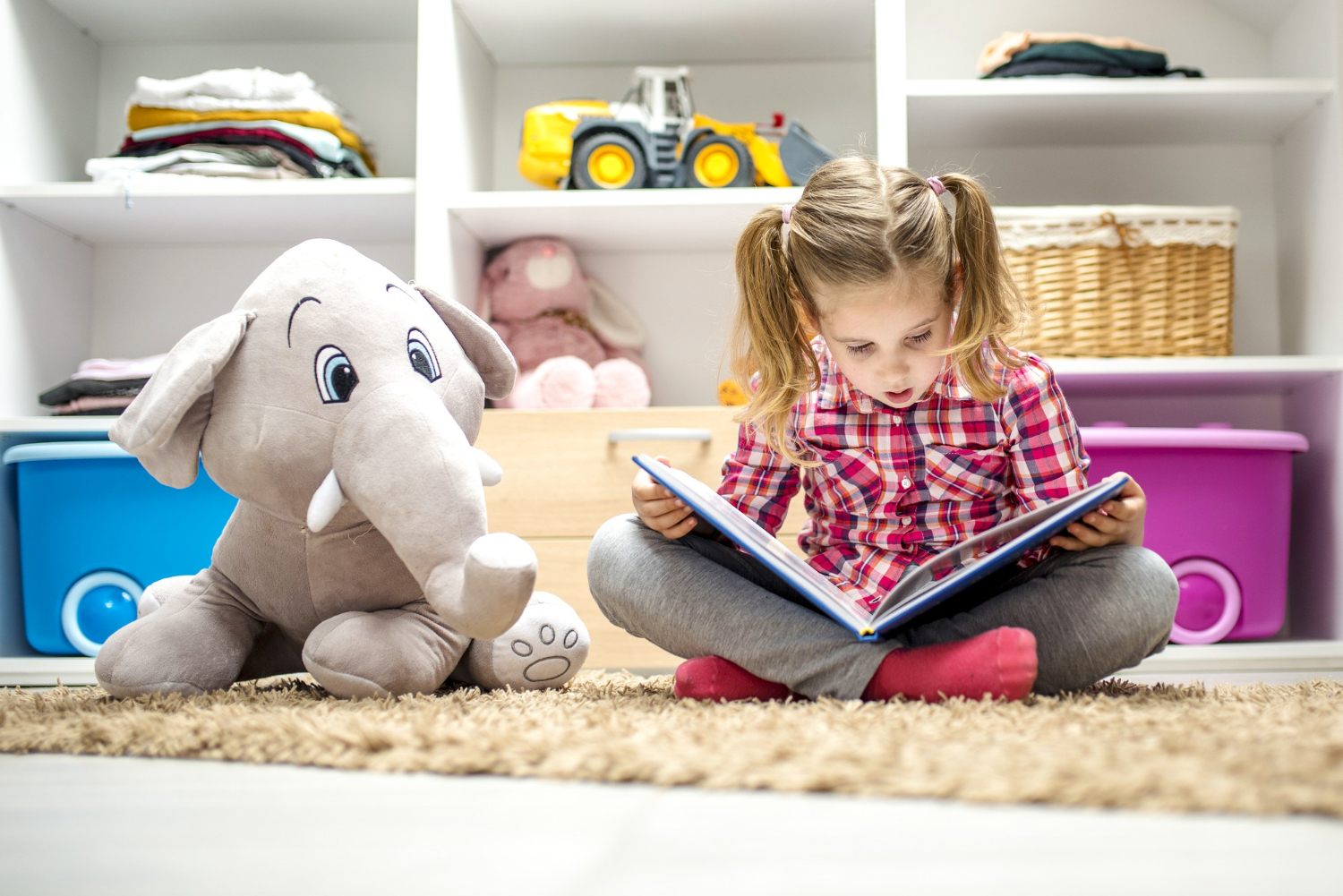
Reading is one of the most valuable activities for children, fostering vocabulary development,  creativity, and imagination. But instead of simply reading aloud, why not make the experience  interactive? 

  • Character Voices: As you read together, encourage your child to use different voices for  the characters in the story. This brings the narrative to life and strengthens listening,  comprehension, and memory skills. 
  • Story Mapping: After finishing a book, ask your child to draw a map or timeline of the  story’s events. This activity helps with sequencing and understanding narrative structure  while also fostering creativity.

Reading together doesn’t just improve literacy skills, but it also strengthens your bond with your  child and can spark meaningful conversations about the themes of the story. 

  1. Art and Craft Projects 

Art allows children to express themselves while improving fine motor skills, hand-eye  coordination, and creativity. Simple craft projects are an excellent way to combine fun and  learning. 

  • Paper Plate Animals: Using paper plates, markers, and craft supplies, let your kids create  animals and learn about different species. Discuss the animals’ habitats, diets, and  characteristics, turning art into a learning opportunity. 
  • DIY Science Art: Introduce kids to the world of art and science with activities like  creating a “solar system” using Styrofoam balls or painting volcanoes. These activities  teach about planets and geological processes in a visually stimulating way. 

Craft projects also encourage focus and patience as children follow steps, plan designs, and  execute their creative ideas. 

  1. Cooking and Baking Together 

Cooking can be a fun way to engage your child’s imagination while teaching them important  math, science, and life skills. Measuring ingredients, following recipes, and understanding  cooking processes all contribute to cognitive development. 

  • Bake Cookies: Have your child help mix ingredients, measure flour, and scoop dough.  Discuss the science behind baking, like why certain ingredients cause cookies to rise.  Kids can also practice reading and following instructions. 
  • Make Fruit Salad: Introduce kids to the concept of healthy eating by allowing them to  choose fruits, wash them, and cut them with supervision. They can learn about nutrition  while practicing basic kitchen skills. 

Not only does this activity teach practical life skills, but it also builds confidence and fosters  independence as kids participate in meal preparation. 

  1. Building a Homemade Puzzle or Board Game 

Creating a homemade puzzle or board game allows kids to use their creativity while enhancing  problem-solving, strategic thinking, and hand-eye coordination. 

  • Create Your Own Puzzle: Have your child draw or paint a picture on a piece of  cardboard, then cut it into puzzle pieces. They can then try to reassemble the puzzle,  honing their spatial awareness and fine motor skills.
  • Design a Simple Board Game: Use construction paper and craft supplies to design a  board game. Let your kids come up with rules and challenges. This activity is great for  developing logical thinking and understanding how games work. 

This activity encourages creativity while teaching kids the basics of strategy, planning, and  cooperative play. 

  1. Nature Walk and Scavenger Hunt 

Spending time outdoors is essential for a child’s physical and mental well-being. A nature walk  combined with a scavenger hunt can be both fun and educational. 

  • Nature Walk: Go on a walk around your neighborhood or a nearby park and teach your  child about different plants, trees, and animals. Ask them to notice the details of their  surroundings, such as the color of leaves, the shape of flowers, or the sound of birds. 
  • Scavenger Hunt: Create a list of things to find during the walk, such as different types of  leaves, rocks, or animal tracks. This activity builds observation skills and encourages kids  to pay attention to their environment. 

Being outside teaches children about the natural world and helps develop both physical and  cognitive abilities as they observe and interact with nature. 

  1. Math Games and Puzzles 

Math can be a fun and interactive experience for kids when approached in an engaging way.  Puzzles and games can help them develop a love for math while honing essential skills. 

  • Number Hunt: Write numbers around the house and have your child find and match  them. You can also challenge them to add or subtract the numbers they find. 
  • Math Bingo: Create bingo cards with numbers and use math problems as the clues (e.g.,  “What is 5 + 3?”). Kids will learn math concepts while playing a fun game. 

Math games encourage problem-solving, pattern recognition, and logical thinking, making math  seem less intimidating and more approachable. 

  1. Music and Rhythm Games 

Music and rhythm activities are fantastic for promoting cognitive development, especially in  terms of memory, attention, and motor skills. Plus, they’re a lot of fun! 

  • Rhythm with Instruments: Have your child create simple instruments using everyday  items, like using a pot as a drum or rice in a bottle as a shaker. Play different rhythms and  have them mimic the sounds.
  • Singing and Dancing: Sing songs together and encourage your child to dance along. You  can even make up your own songs that teach basic concepts like counting, colors, or the  alphabet. 

Music and rhythm games help children improve their listening skills, coordination, and creativity  while having a great time. 

  1. Gardening and Planting Seeds 

Gardening is a fantastic way for kids to learn about biology, responsibility, and patience while  spending time outdoors. 

  • Planting a Garden: Have your child plant seeds and learn how to take care of them. You  can grow flowers, vegetables, or herbs. As the plants grow, children can track their  progress and learn about plant biology. 
  • Create a Terrarium: If outdoor space is limited, make a small terrarium in a glass  container. This indoor garden teaches kids about ecosystems and provides a hands-on  way to care for plants. 

Gardening helps children understand the life cycle of plants, environmental science, and the  importance of sustainability. 

  1. STEM Activities 

STEM (Science, Technology, Engineering, and Mathematics) activities offer kids hands-on  experiences that promote problem-solving and critical thinking. These activities can be  incorporated into daily play or learning sessions. 

  • Build a Tower: Use materials like marshmallows and toothpicks, or blocks, to build the  tallest tower possible. This encourages kids to use engineering principles, balance, and  creativity. 
  • Coding with Apps: Many educational apps teach kids the basics of coding, like using  visual block coding systems that allow kids to build their own interactive games or  animations. 

STEM activities are a fun way for kids to develop skills in problem-solving, logical thinking, and  technology, preparing them for the future in an ever-evolving digital world. 


Fun and educational activities at home are a great way to keep kids engaged, stimulate their  minds, and help them develop a wide range of skills. Whether it’s a science experiment, a  nature walk, or a creative craft project, these activities offer plenty of opportunities for kids to 

learn while having fun. By making learning an interactive and enjoyable experience, you not  only help your child grow but also create lasting memories together. 

With these 10 activities, your kids will have a blast while learning new things and expanding  their knowledge. The best part? You don’t need a classroom to make learning exciting—it’s all  about making the most of the time spent at home!

Tags :

Related Article
Everything Kids Market